Freemasonry in El Salvador

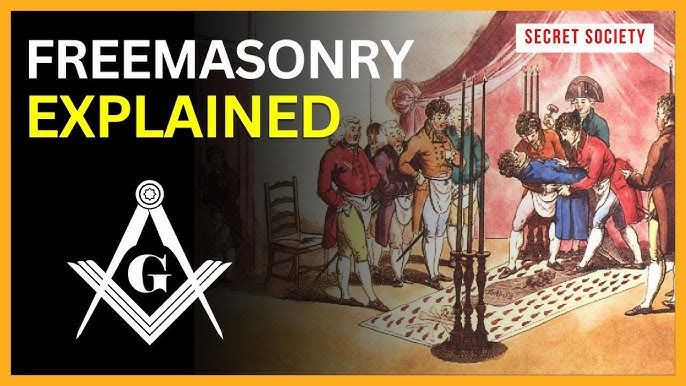
El Salvador has one of the oldest Masonic traditions in Central America, and the fraternity's influence on the country's political and intellectual life was significant during the reform era of the late nineteenth and early twentieth centuries. The first Masonic lodge in El Salvador (Le Progrès No. 5) commenced operations in San Salvador on September 30, 1871, recruiting members from the country's political and social elite. The Catholic Church responded with a pastoral letter threatening excommunication for Freemasons, but the fraternity persisted and grew under the protection of the liberal governments that shaped El Salvador in the reform era. The Grand Lodge Cuscatlán of El Salvador was established in September 1912, when Salvadoran Freemasonry achieved autonomy from the Central American Grand Orient. The name Cuscatlán — meaning "Land of Precious Jewels" in the Pipil-Nahuatl language, the indigenous name for the territory before the Spanish conquest — reflects a conscious choice to honor the pre-colonial heritage of the country. Freemasonry in El Salvador operates in Spanish.
The liberal reform period of the 1870s and 1880s was particularly formative for Salvadoran Freemasonry. The Lodge Le Progrès No. 5 found its membership among the country's political and intellectual elite, and the fraternity became closely associated with the secular reform agenda: the separation of Church and State, the establishment of civil marriage, and the secularization of public education. These reforms, championed by Freemason-aligned governments, placed the lodge at the center of Salvadoran civic life in a way that resonated through the early twentieth century. By the time the Grand Lodge Cuscatlán was constituted in 1912, the fraternity had already shaped the legal and educational institutions of the modern Salvadoran state.
El Salvador's Masonic community remains concentrated in San Salvador and operates within the Spanish-language tradition of Central American Freemasonry, characterized by multiple appendant bodies and a strong Scottish Rite presence independent of the North American jurisdictions.


Comments